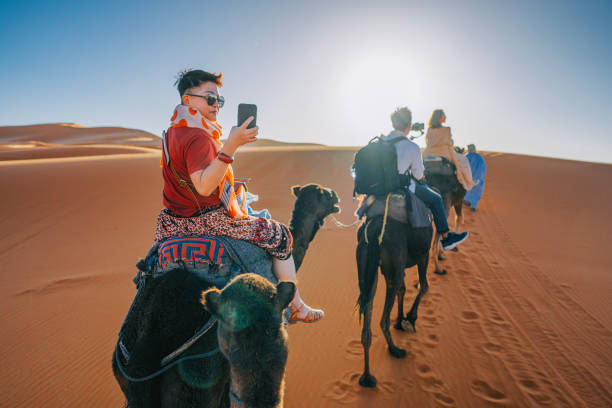

Planning a vacation from China to Africa is an exciting opportunity to explore a continent rich in culture, history, and breathtaking natural wonders. However, preparation is key to ensuring a seamless and enjoyable journey. Whether you’re heading to the bustling streets of Lagos, the serene safaris of Kenya, or the sun-kissed beaches of Zanzibar, having the right items in your travel bag can make all the difference. Here’s a detailed list of must-have essentials for your African adventure.
1. Travel Documents and Identification
First and foremost, double-check that you have all necessary travel documents. These include your passport, visa, and any other entry requirements specific to the African country you plan to visit. For instance, travellers from China visiting South Africa may need an electronic visa (eVisa), while those heading to Kenya can apply for an e-visa online prior to arrival (South African Department of Home Affairs, Kenyan eVisa Portal).
In addition, it’s advisable to carry photocopies of your important documents or store digital copies in a secure cloud service for easy access.
2. Vaccination Records and Health Essentials
Travelling to Africa often requires specific vaccinations. For example, the yellow fever vaccine is mandatory for entry into many countries, including Ghana and Uganda. Other recommended vaccines include hepatitis A and B, typhoid, and routine immunizations such as MMR (measles, mumps, and rubella). The World Health Organization and the Chinese Center for Disease Control and Prevention provide up-to-date health guidelines.
Alongside your vaccination records, packing a well-stocked travel health kit is crucial. Essentials include:
- Malaria prophylactics, especially if visiting high-risk zones like Nigeria or Zambia.
- Insect repellent containing DEET.
- Hand sanitizer and antibacterial wipes.
- Over-the-counter medications for common ailments like headaches, colds, and digestive issues.
3. Climate-Appropriate Clothing
Africa’s climate varies greatly from region to region. When visiting, be sure to pack lightweight, breathable clothing for the warm daytime temperatures common in countries like Egypt or Tanzania. For cooler nights, especially if travelling to elevated regions such as Ethiopia’s highlands or during winter in South Africa, include warm layers.
Pro tip: Opt for neutral-coloured clothing if you plan on going on safari. Bright colours can attract unwanted attention from wildlife, whereas neutral tones blend better with the natural environment.
4. Adapters and Portable Chargers
Electricity and plug types can differ across Africa. In China, the standard is type A, C, and I plugs, whereas many African countries use type C, G, or D. A universal travel adapter is essential for charging your devices. Ensure you pack a reliable power bank for excursions where access to outlets may be limited, such as long game drives or tours in rural areas.
5. Cameras and Binoculars
Documenting your African journey is a must, and nothing beats high-quality photos of the stunning landscapes and wildlife. A digital camera with extra batteries and memory cards is highly recommended. If your itinerary includes game reserves such as Kruger National Park or the Serengeti, a pair of binoculars will enhance your experience, allowing you to spot distant wildlife.
6. Comfortable Footwear and Accessories
Whether you’re exploring Cape Town’s Table Mountain or wandering through the historic alleys of Marrakech, comfortable, durable footwear is non-negotiable. Lightweight hiking boots or well-cushioned walking shoes should be on your packing list.
Other essential accessories include:
- Sunglasses with UV protection.
- A wide-brimmed hat or cap.
- A lightweight scarf, which can be used as a sun shield or head covering for visiting religious sites.
7. Reusable Water Bottle and Snacks
Staying hydrated is crucial when travelling, especially in warmer climates. A reusable, insulated water bottle will keep your drinks cool and minimise your plastic footprint.
For long tours or road trips, having non-perishable snacks such as dried fruit, nuts, or protein bars can be a lifesaver.
8. Cultural Etiquette Guide and Language Apps
Walkingyour way through new cultures can be both thrilling and intimidating. To show respect and make connections, familiarize yourself with local customs and greetings. For instance, a simple “As-salaam alaikum” (peace be upon you) goes a long way in predominantly Muslim regions such as northern Nigeria or Sudan.
Language barriers can be eased with translation apps such as Google Translate or offline dictionaries. This is particularly helpful in multilingual countries like South Africa, where English, Afrikaans, and several indigenous languages are spoken.
9. Eco-Friendly Toiletries
Responsible travel is becoming increasingly important. Pack biodegradable toiletries such as shampoo bars, soap, and reusable cotton rounds. This helps reduce waste and contributes to conservation efforts in eco-sensitive regions, such as Rwanda’s gorilla habitats.
10. Emergency Contacts and Travel Insurance
Before departure, compile a list of emergency contacts, including the nearest Chinese embassy or consulate at your destination. Travel insurance is a must to cover unexpected medical expenses, trip cancellations, or other emergencies. Search out companies that offer comprehensive plans tailored for international travellers.
Lastly, a journey from China to Africa can be the adventure of a lifetime, filled with rich experiences and memories. By packing thoughtfully and being prepared, you’ll be set for an incredible trip that blends the wonders of diverse African cultures, nature, and history. Safe travels, and don’t forget to capture every moment!