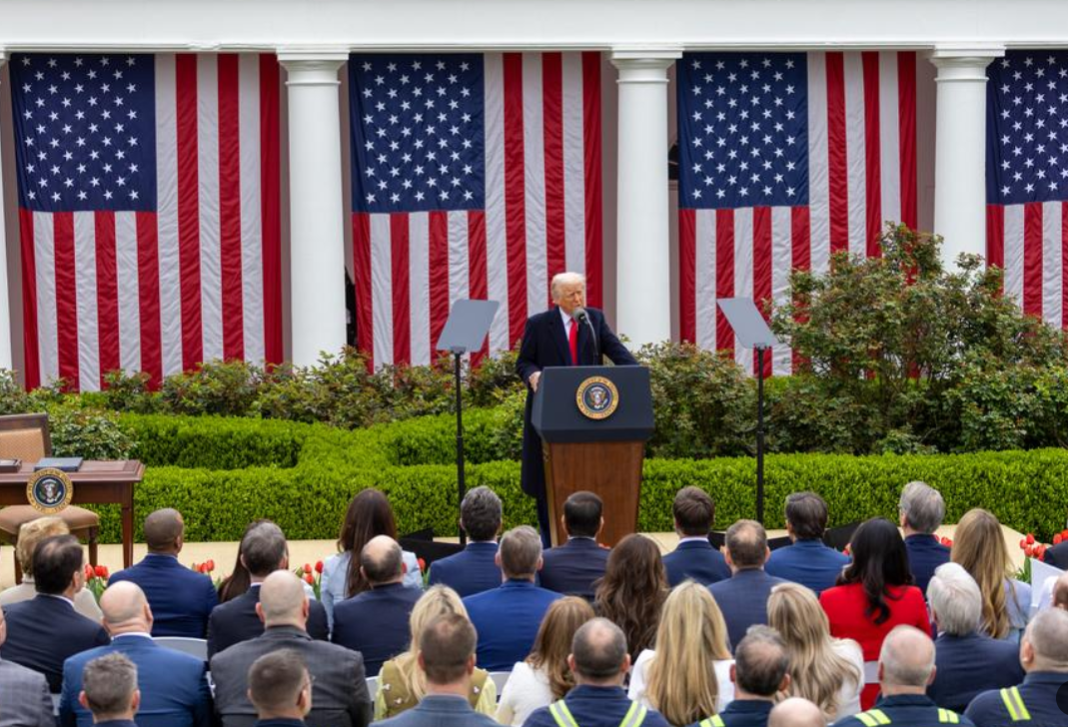

The unilateral imposition of “reciprocal tariffs” by the United States is stripping countries, particularly those in the Global South, of their right to development and will face widespread opposition from the international community, a Chinese foreign ministry spokesperson warned on Monday.
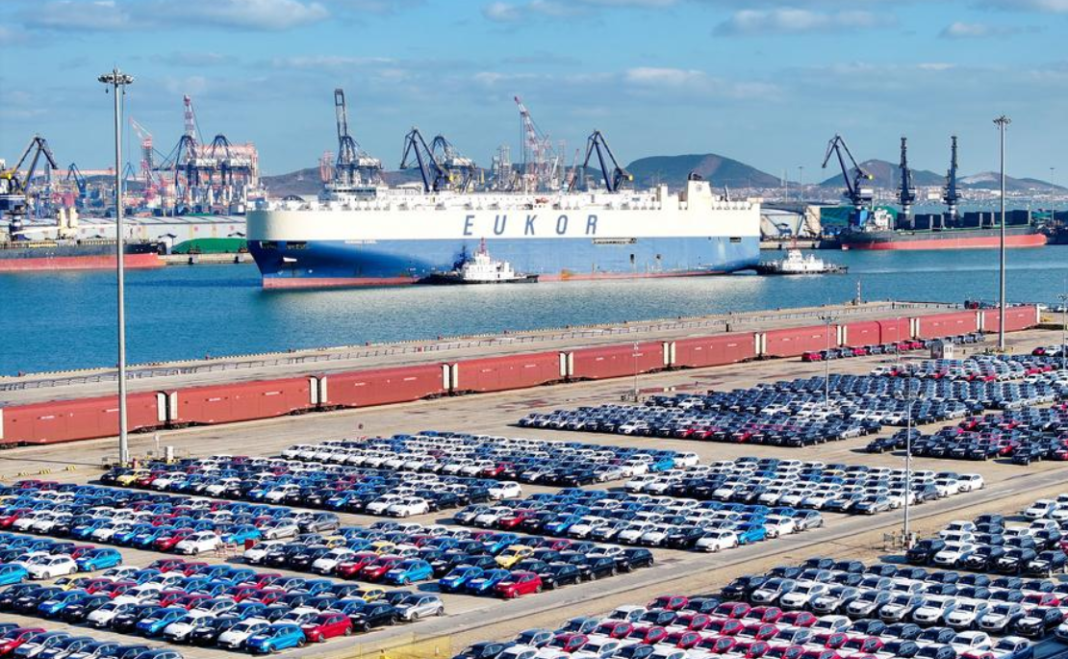
Speaking at a daily news briefing, spokesperson Lin Jian criticized the U.S. for imposing tariffs on all its trading partners, a move that impacts over 180 countries and regions, including some of the world’s least developed economies as classified by the United Nations. Analysts have warned that these steep tariffs will deal an unprecedented blow to poorer nations with fragile, export-dependent economies, exacerbating global economic disparities.
Lin accused the U.S. of cloaking its actions under the guise of “reciprocity,” arguing that this approach prioritizes American interests over the legitimate benefits of other nations.
“This ‘America First’ stance places itself above international rules, embodying unilateralism, protectionism, and economic bullying,” he said. He underscored that China has formally expressed its opposition to what it views as an abuse of tariffs by the U.S., signaling Beijing’s firm stance on the issue.
The tariffs, which vary across countries, violate the World Trade Organization’s (WTO) foundational principle of non-discrimination, Lin argued. He warned that the policy threatens to destabilize the international economic and trade order, disrupt global supply chains, and undermine the multilateral trading system. “This move poses a severe threat to the global economic recovery and is certain to meet resistance from the international community,” he added.
Citing data from the WTO, Lin highlighted the disproportionate impact of U.S. tariff policies on less developed countries amid existing economic inequalities and power imbalances. He cautioned that the measures could widen the global wealth gap and jeopardize progress toward the United Nations’ 2030 Agenda for Sustainable Development.
“Development is a universal right of all countries, not the privilege of a few,” Lin emphasized. He called for nations to embrace openness and cooperation, describing these as historical trends that align with the global desire for mutual benefit and win-win outcomes.
In a broader appeal, Lin urged the international community to uphold true multilateralism and resist all forms of unilateralism and protectionism. “All countries should adhere to the principles of extensive consultation, joint contribution, and shared benefits,” he said, advocating for an international system centered on the United Nations and a multilateral trading framework anchored by the WTO.