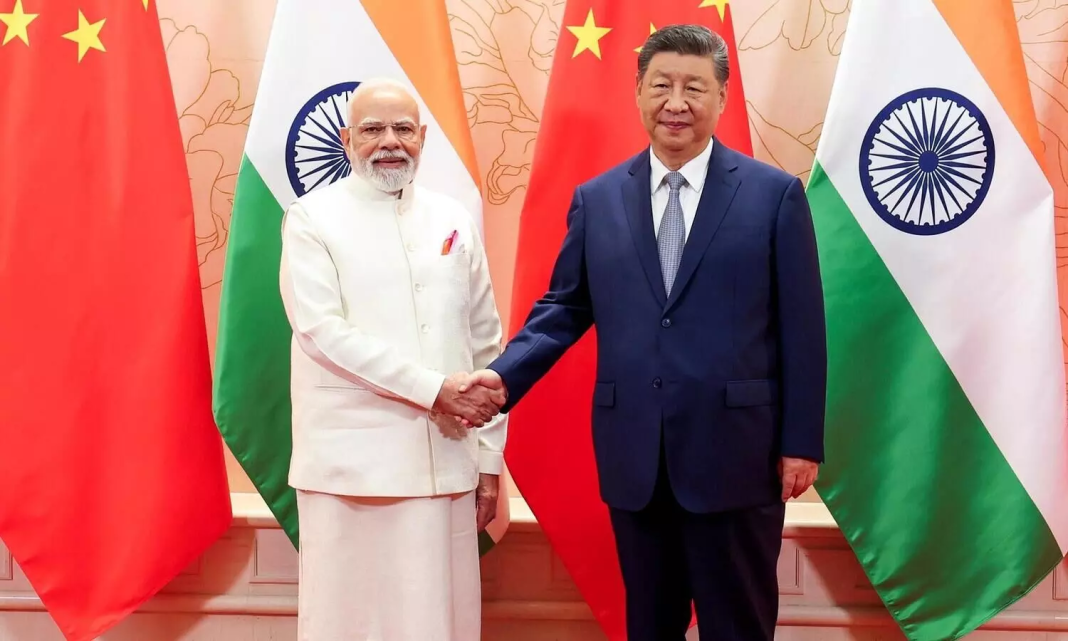

After seven years Chinese President Xi Jinping has come back to India.. His arrival in New Delhi has put one of Asias most important relationships and the future of the Global South in the spotlight.
Xi came to the capital on Saturday to take part in the 18th BRICS Leaders’ Summit, where he is expected to have private talks with Indian Prime Minister Narendra Modi. This visit is Xi’s time in India since 2019 and comes after years of tension following the deadly 2020 border conflict between the two nations.
The welcome was planned carefully. Xi came off his plane to a carpet and traditional Indian performances before going into a summit that has brought together some of the world’s most important emerging nations.
Behind the ceremony is a bigger question: can Beijing and New Delhi turn a cautious improvement into real cooperation while they both want to control influence across the Global South?
A meeting filled with seven years of history
Xi and Modis planned meeting is important because it comes after years when relations between the two Asian countries were affected by their border conflict.
The 2020 clash led to 20 soldiers and four Chinese soldiers dying and hurt relations between the two sides. Since that time both countries have slowly worked to make things better including high-level meetings and steps to bring back normal trade and people-to-people connections.
China has shown it is ready to move
Before the meeting Beijing said it was ready to work with India with a term and strategic approach manage differences and increase cooperation.
For New Delhi the improvement does not mean the competition has ended.
India is very aware of Chinas economic power and influence while also keeping strong relations with the United States, Russia and other big countries.
This balance makes the meeting between Modi and Xi much more than a handshake.
BRICS adds another layer to the meeting
The private meeting is happening in a political situation.
The BRICS summit has brought together China, India, Russia, South Africa, Egypt, Ethiopia, Brazil, Indonesia, Iran and the United Arab Emirates. The discussions are about trade, investment, technology, energy, food security and the changing world order.
This group now includes half the worlds population and is becoming a place where developing countries can have a stronger voice in world affairs.
That message is very important in Africa.
South Africa, Egypt and Ethiopia are part of the BRICS group giving Africa a direct chance to take part in conversations about global finance, trade, development and world governance.
For countries what happens between Beijing and New Delhi matters.
A stronger China-India relationship could help cooperation inside BRICS. Create more space for Global South projects. A new competition between the two countries however could make agreement in BRICS harder.
Africa is watching
For Africa the importance of todays summit is more than pictures.
African economies are looking to BRICS for trade chances other sources of funding, technology help and a stronger voice in international groups.
China is already Africas trade partner. At the time Beijing has been trying to get more involved with the continent through infrastructure, manufacturing, digital technology, energy and more market access.
At the time African countries are trying to make sure their relationships with big countries help create local jobs, more industries, tech sharing and more value instead of just depending on selling raw materials.
The choices made by BRICS could have an effect on economic plans.
A changing world order
The summit is happening at a tense time around the world.
BRICS leaders are meeting during conflicts in the Middle East and Ukraine tensions between China and the United States trade fights and more discussion about the future of global organizations.
One of the questions about BRICS is whether the growing group can lead to real group power.
China has pushed for BRICS to be a voice for the Global South and to challenge Western-led groups. India however has usually preferred an open approach seeing BRICS as a place for developing countries, not an anti-Western group.
That different idea could shape the talks in New Delhi.
Beyond the handshake
The meaning of Xis return is strong.
Seven years after his trip to India the Chinese leader is back at a time when both countries have reasons to lower tensions. And reasons to stay careful.
Even small steps are starting to show the improvement. China Southern Airlines said that regular flights from Guangzhou to New Delhi will start again on September 21 after a six-year break another sign that travel, between the two countries is slowly coming back.
The real test will come after the pictures, handshakes and official talks.
Will China and India increase trade?
Can they handle their border issues?
Can they work together in BRICS despite their goals?
Maybe most importantly for Africa can the big countries of the Global South change their growing political power into a partnership that brings real economic help to regular people?
For now Xis arrival has opened the door.
What comes through that door may shape not the next part of China-India relations but also the way power is changing between the old world powers and the rising Global South.
Africa–China News (ACN) will keep following the BRICS Summit and what it means for Africa, China and the rest of the Global South.
Xi came to the capital on Saturday to take part in the 18th BRICS Leaders’ Summit, where he is expected to have private talks with Indian Prime Minister Narendra Modi. This visit is Xi’s time in India since 2019 and comes after years of tension following the deadly 2020 border conflict between the two nations.
The welcome was planned carefully. Xi came off his plane to a carpet and traditional Indian performances before going into a summit that has brought together some of the world’s most important emerging nations.
Behind the ceremony is a bigger question: can Beijing and New Delhi turn a cautious improvement into real cooperation while they both want to control influence across the Global South?
A meeting filled with seven years of history
Xi and Modis planned meeting is important because it comes after years when relations between the two Asian countries were affected by their border conflict.
The 2020 clash led to 20 soldiers and four Chinese soldiers dying and hurt relations between the two sides. Since that time both countries have slowly worked to make things better including high-level meetings and steps to bring back normal trade and people-to-people connections.
China has shown it is ready to move
Before the meeting Beijing said it was ready to work with India with a term and strategic approach manage differences and increase cooperation.
For New Delhi the improvement does not mean the competition has ended.
India is very aware of Chinas economic power and influence while also keeping strong relations with the United States, Russia and other big countries.
This balance makes the meeting between Modi and Xi much more than a handshake.
BRICS adds another layer to the meeting
The private meeting is happening in a political situation.
The BRICS summit has brought together China, India, Russia, South Africa, Egypt, Ethiopia, Brazil, Indonesia, Iran and the United Arab Emirates. The discussions are about trade, investment, technology, energy, food security and the changing world order.
This group now includes half the worlds population and is becoming a place where developing countries can have a stronger voice in world affairs.
That message is very important in Africa.
South Africa, Egypt and Ethiopia are part of the BRICS group giving Africa a direct chance to take part in conversations about global finance, trade, development and world governance.
For countries what happens between Beijing and New Delhi matters.
A stronger China-India relationship could help cooperation inside BRICS. Create more space for Global South projects. A new competition between the two countries however could make agreement in BRICS harder.
Africa is watching
For Africa the importance of todays summit is more than pictures.
African economies are looking to BRICS for trade chances other sources of funding, technology help and a stronger voice in international groups.
China is already Africas trade partner. At the time Beijing has been trying to get more involved with the continent through infrastructure, manufacturing, digital technology, energy and more market access.
At the time African countries are trying to make sure their relationships with big countries help create local jobs, more industries, tech sharing and more value instead of just depending on selling raw materials.
The choices made by BRICS could have an effect on economic plans.
A changing world order
The summit is happening at a tense time around the world.
BRICS leaders are meeting during conflicts in the Middle East and Ukraine tensions between China and the United States trade fights and more discussion about the future of global organizations.
One of the questions about BRICS is whether the growing group can lead to real group power.
China has pushed for BRICS to be a voice for the Global South and to challenge Western-led groups. India however has usually preferred an open approach seeing BRICS as a place for developing countries, not an anti-Western group.
That different idea could shape the talks in New Delhi.
Beyond the handshake
The meaning of Xis return is strong.
Seven years after his trip to India the Chinese leader is back at a time when both countries have reasons to lower tensions. And reasons to stay careful.
Even small steps are starting to show the improvement. China Southern Airlines said that regular flights from Guangzhou to New Delhi will start again on September 21 after a six-year break another sign that travel, between the two countries is slowly coming back.
The real test will come after the pictures, handshakes and official talks.
Will China and India increase trade?
Can they handle their border issues?
Can they work together in BRICS despite their goals?
Maybe most importantly for Africa can the big countries of the Global South change their growing political power into a partnership that brings real economic help to regular people?
For now Xis arrival has opened the door.
What comes through that door may shape not the next part of China-India relations but also the way power is changing between the old world powers and the rising Global South.
Africa–China News (ACN) will keep following the BRICS Summit and what it means for Africa, China and the rest of the Global South.