
China, Nigeria Open New Creative-Economy Front Through Fashion
China and Nigeria are exploring a new avenue for strengthening bilateral ties as fashion takes centre stage in efforts to expand cultural exchange, creative collaboration and economic opportunities between the two countries.
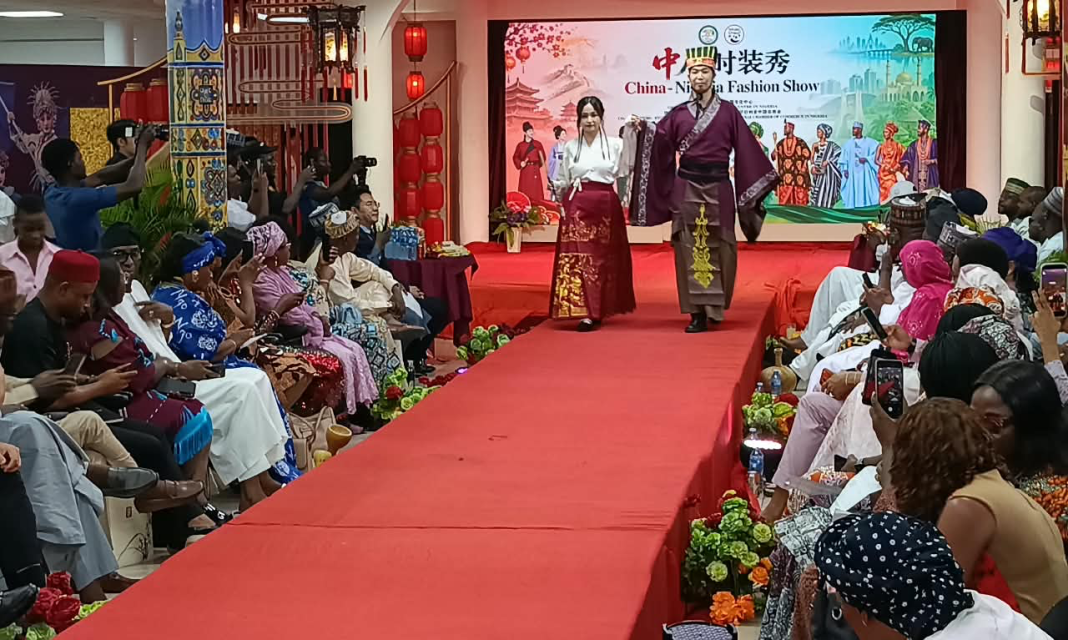
The renewed cooperation emerged at the China-Nigeria Fashion Show held in Abuja, where designers and models from both countries brought traditional and contemporary styles together in a colourful display of their respective cultural identities.
The event, organised by the China Cultural Centre in Nigeria and partners, highlighted fashion not only as an expression of heritage but also as a potential platform for collaboration within the creative economy.
Fashion Becomes a Bridge Between Cultures
Yang Jianxing, Cultural Counsellor of the Chinese Embassy in Nigeria and Director of the China Cultural Centre, described clothing as a vehicle for cultural interaction and a universal language capable of connecting people across borders.
He said the fashion show created an opportunity for Chinese and Nigerian clothing traditions to interact, allowing different designs, ideas and artistic influences to meet.
Chinese styles showcased included Hanfu, Tang-style clothing, Qipao and Mamianqun, while Nigerian fashion featured traditional expressions such as Aso-Oke, Agbada, Buba, Iro and Gele.
The interaction between the two fashion traditions, according to the organisers, could inspire new ideas and encourage greater collaboration across the creative industries.
From Cultural Exchange to Economic Opportunity
Beyond the cultural spectacle, Nigerian officials pointed to the economic possibilities within the fashion industry.
The Permanent Secretary of the Ministry of Art, Culture, Tourism and Creative Economy, Abdulkarim Ibrahim, represented at the event, said fashion can contribute to cultural exchange, economic growth and mutual understanding.
He also highlighted the potential benefits of connecting Nigerian creative professionals with international partners and audiences.
Nigeria’s fashion sector includes designers, textile producers, artisans, models, photographers, entrepreneurs and other creative professionals. Greater international exposure could therefore create opportunities for knowledge sharing, networking and collaboration.
Young Creatives in Focus
The growing interest in creative industries also puts young Nigerian talents at the centre of the conversation.
For emerging designers and other creative professionals, international partnerships can provide opportunities to learn new techniques, understand different markets and develop relationships beyond Nigeria.
The China-Nigeria fashion engagement provides one platform for that exchange, although turning cultural interaction into sustained economic opportunities will require continued collaboration beyond individual events.
A Wider China-Nigeria People-to-People Connection
The fashion initiative comes as China and Nigeria continue to promote people-to-people exchanges alongside their broader diplomatic and economic relationship.
This year marks 55 years of diplomatic relations between Nigeria and China, while 2026 has also been designated the China-Africa Year of People-to-People Exchanges.
The China Cultural Centre said it would continue supporting cultural exchanges and practical cooperation involving China, Nigeria and other African countries.
For Nigeria, the creative economy offers another channel for international engagement at a time when the country is seeking to expand opportunities for its growing population of young creative entrepreneurs.
Beyond the Runway
The Abuja fashion show demonstrated how cultural diplomacy can extend beyond official meetings and economic negotiations.
By bringing designers, models and creative professionals from China and Nigeria into the same space, the event created an avenue for both countries to share traditions while exploring areas for future cooperation.
The next step will be turning these exchanges into practical partnerships that can support designers, strengthen creative businesses and open wider markets for Nigerian and Chinese fashion.
For China and Nigeria, the runway may therefore represent more than a showcase of clothing—it could become another platform for connecting people, ideas and creative industries.