
China and three of Africa’s biggest diamond-producing countries are deepening cooperation with Beijing in a move that could reshape how the continent’s natural diamonds connect with one of the world’s biggest consumer markets.
Botswana, Namibia and South Africa have joined Chinese industry players in a new agreement focused on sustainable development, value creation and stronger cooperation across the natural-diamond industry.
A New Chapter for China-Africa Diamond Trade
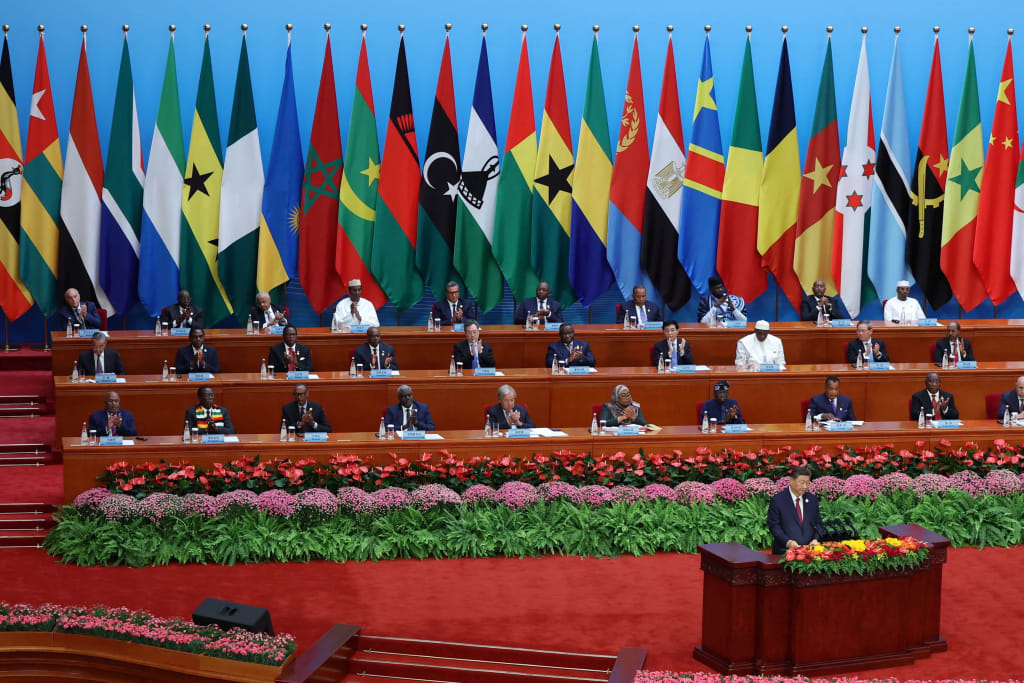
The agreement, known as the Beijing Declaration on Natural Diamonds and Sustainable Development, was signed in Beijing following discussions involving the Shanghai Diamond Exchange, government representatives from Botswana, Namibia and South Africa, as well as Chinese and international diamond industry stakeholders.
The declaration places the natural-diamond sector at the centre of a broader China-Africa economic conversation.
For Africa’s diamond producers, the significance goes beyond simply finding buyers. The bigger question is how more value can remain within producing countries through processing, skills development, technology and stronger links with international markets.
Why Botswana, Namibia and South Africa Matter
The three African countries are major players in the global diamond industry, giving the new partnership considerable weight.
Botswana has built much of its economy around diamonds, while Namibia and South Africa also have long-established diamond industries.
Their participation gives the Beijing agreement a strong African production base at a time when the global diamond market is changing rapidly.
Natural diamonds are facing new pressures from changing consumer preferences, laboratory-grown alternatives and growing demands for greater transparency and responsible sourcing.
That means producing countries are increasingly looking beyond simply exporting raw resources.
China Wants a Bigger Role in the Diamond Value Chain
China is already one of the world’s major markets for jewellery and diamonds. The new cooperation creates room for stronger links between African producers and Chinese businesses, consumers and industry institutions.
The agreement also points toward a broader model of cooperation in which African countries can potentially capture more value from their natural resources instead of relying heavily on the export of raw materials.
That could mean greater opportunities in areas such as cutting and polishing, jewellery manufacturing, branding, technology and skills development.
For African economies seeking to industrialise around their natural resources, those areas could be just as important as the diamonds coming out of the ground.
Beyond Diamonds: The Bigger China-Africa Question
The new pact also reflects a wider trend in China-Africa economic relations: moving from resource exports toward deeper participation in value chains.
Across the continent, governments are increasingly pushing for local processing and manufacturing so that natural resources generate more jobs, businesses and industrial capacity at home.
The diamond sector offers another test of that ambition.
If stronger China-Africa cooperation can connect African producers with technology, investment, processing expertise and consumers, the relationship could move beyond a simple buyer-and-seller model.
What Comes Next
The Beijing Declaration does not instantly transform Africa’s diamond industry. Its importance will ultimately depend on how the commitments translate into practical cooperation between governments, producers, manufacturers and Chinese market players.
But the direction is clear: Africa’s diamond-producing countries are looking for ways to strengthen their position in the global value chain, while China is becoming an increasingly important partner in that effort.
For Botswana, Namibia and South Africa, the new agreement could open another route into China’s vast consumer and business market.
And for the wider China-Africa relationship, diamonds are becoming another example of how cooperation is expanding from traditional trade into value addition, sustainability and industrial development.