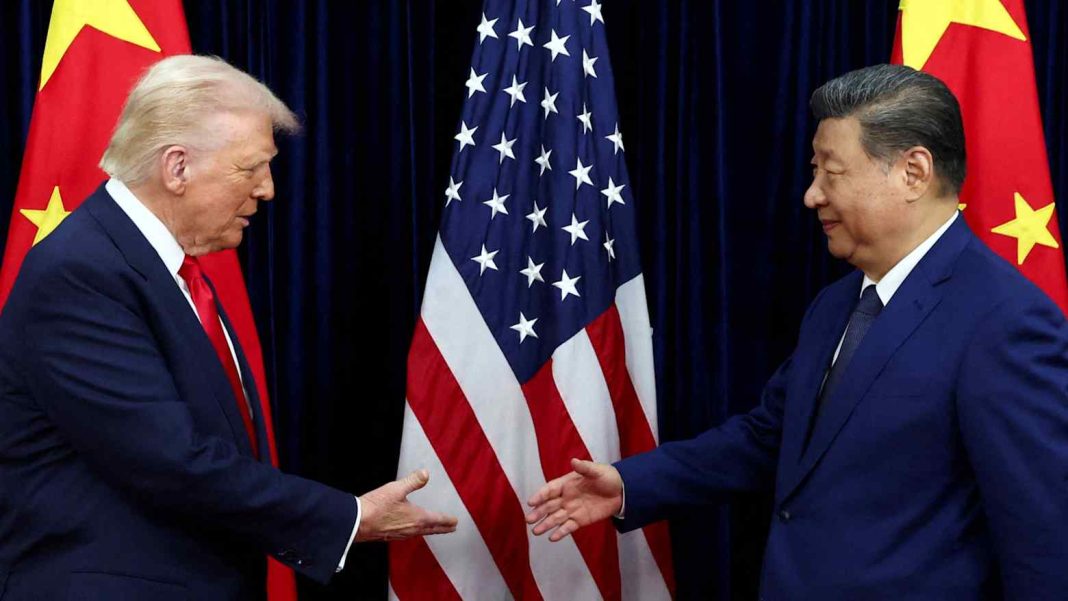
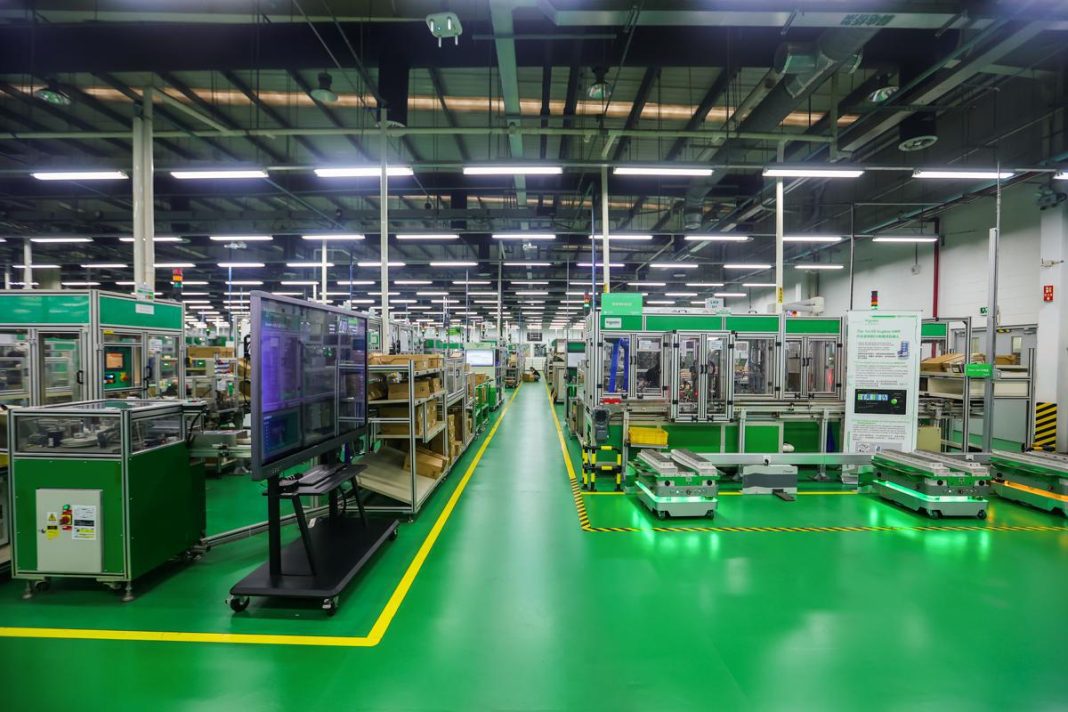

Chinese President Xi Jinping is calling for a stronger push into advanced manufacturing as China works to build a more modern, technology-driven industrial economy.
Xi’s latest directive places advanced manufacturing at the centre of China’s industrial strategy, with greater emphasis on smart technology, green production and stronger supply chains. The instructions were conveyed during a national conference on advanced manufacturing held in Beijing on Wednesday and Thursday.
China Targets Smarter Manufacturing
Xi called for advanced manufacturing to provide stronger support for China’s modernisation while helping reinforce the foundations of the real economy.
The strategy includes accelerating the development of a modern industrial system in which advanced manufacturing plays a central role.
Premier Li Qiang also urged greater use of digital technologies and artificial intelligence in manufacturing, alongside efforts to develop high-end domestic technologies.
This means factories and industrial companies are expected to increasingly adopt intelligent systems, digital tools and AI to improve production and competitiveness.
Green Technology Takes Centre Stage
The new manufacturing push also places sustainability firmly on the agenda.
Xi called for China to pursue smart, green and integrated industrial development. The government also wants manufacturers to improve efficiency while reducing the environmental impact of production.
For China’s expanding electric vehicle, renewable energy, batteries and other clean-technology industries, the approach could further strengthen the connection between industrial growth and the green economy.
Building More Resilient Supply Chains
Another major focus is strengthening China’s industrial supply chains.
Xi called for greater self-reliance and resilience across key industrial chains, reflecting Beijing’s broader effort to reduce vulnerabilities in critical areas of production and technology.
The policy direction comes as China continues to face pressure over its dependence on external markets and technologies in some strategic sectors.
At the same time, Chinese manufacturers are expanding their presence in global markets, particularly in electric vehicles, renewable energy equipment and other technology-intensive products.
What It Could Mean for Africa
China’s manufacturing strategy also has implications for African economies seeking industrial investment, technology partnerships and access to modern production systems.
As Chinese companies expand advanced manufacturing and green technologies, African countries could see opportunities for investment in areas such as renewable energy, electric mobility, machinery, digital infrastructure and industrial processing.
For Africa, the bigger opportunity lies not only in importing Chinese products but in attracting investment that supports local production, skills development and technology transfer.
China’s latest industrial push therefore reinforces a trend that could shape Africa-China economic relations in the years ahead: moving from trade in finished goods toward deeper cooperation in manufacturing, technology and green industrial development.