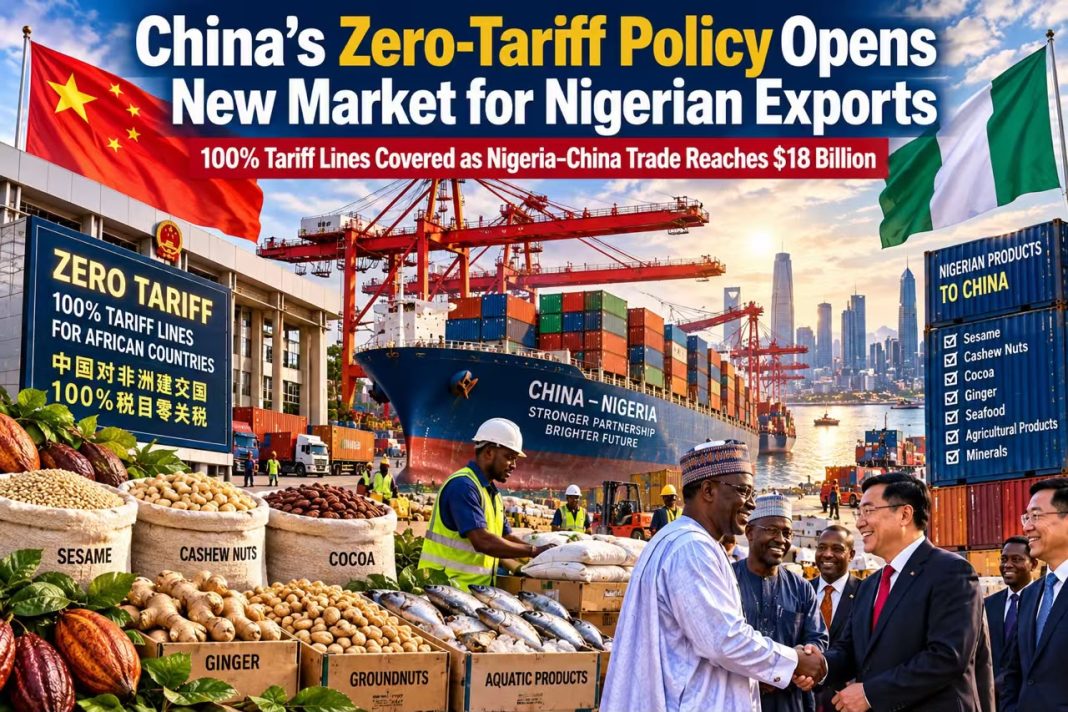

China’s zero-tariff policy covering 100 per cent of tariff lines for African countries with diplomatic relations with Beijing has been extended to Nigeria.
The move could give Nigerian exporters greater access to the Chinese market. It could also attract investment in local processing and value-added production.
China expands zero-tariff access
China introduced the policy on May 1, 2026. The measure covers 100 per cent of tariff lines for 53 African countries with which China maintains diplomatic relations.
Nigerian products can now enter the Chinese market duty-free, provided exporters meet the required conditions.
These conditions include rules of origin, customs procedures, inspection and quarantine requirements, and other Chinese import regulations.
The measure expands China’s previous zero-tariff arrangement. That framework covered 33 African least-developed countries.
The new arrangement now includes Nigeria, South Africa, Kenya, Egypt, Ghana and other African countries with diplomatic ties to Beijing.
China said the measure aims to open its market further to African products. It also seeks to expand trade and support Africa’s development.
Nigeria-China trade records strong growth
The policy comes as trade between Nigeria and China continues to grow.
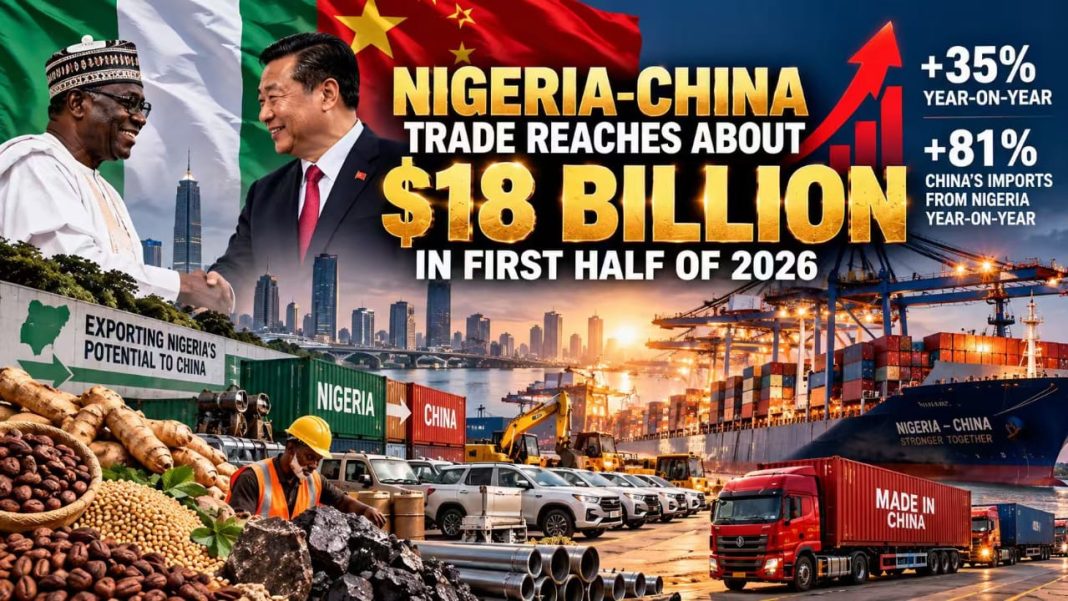
Chinese Ambassador to Nigeria Yu Dunhai said bilateral trade reached about $18 billion in the first half of 2026.
That figure represents a 35 per cent increase from the same period in 2025.
China’s imports from Nigeria reached approximately $2.3 billion during the period. The figure increased by about 80 per cent year-on-year.
The growth points to rising demand for Nigerian products in the Chinese market.
An early example emerged at Qinzhou Port in China’s Guangxi region. About 23,000 tonnes of liquefied propane from Nigeria cleared customs under the zero-tariff arrangement.
The shipment reportedly generated tariff savings of about $300,000.
Other Nigerian products could also benefit from wider market access. These include sesame, cashew nuts, cocoa, groundnuts, ginger and aquatic products.
Exporters still face market requirements
The zero-tariff arrangement does not remove China’s import requirements.
Nigerian exporters must still meet rules on product origin, quality, food safety, inspection and quarantine.
They must also comply with packaging and other applicable import standards.
For agricultural and food products, reliable supply will remain important. Certification, quality control, logistics and cold-chain capacity will also affect competitiveness.
Nigeria and China have continued discussions on expanding market access for Nigerian agricultural and aquatic products.
The new framework could therefore shift attention towards production capacity. Nigerian producers will need to meet Chinese market requirements consistently and on a commercial scale.
Local processing could attract investment
The policy could create opportunities beyond the export of raw commodities.
Chinese authorities have said the initiative could encourage investment in Africa. Such investment could bring capital, technology, equipment and management expertise.
For Nigeria, the opportunity could extend across cocoa, cashew, sesame, agricultural commodities and mineral resources.
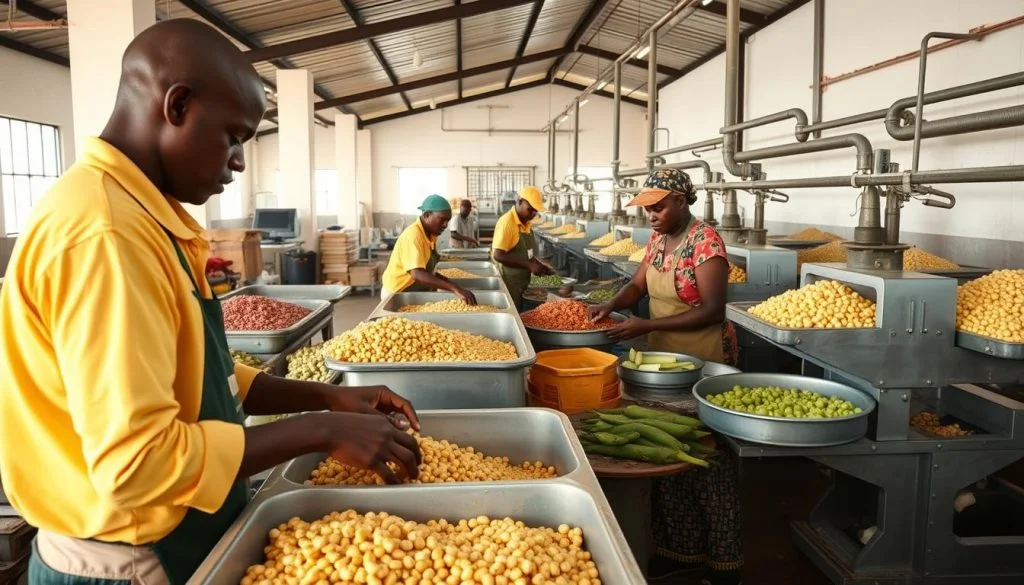
Local processing could support food manufacturing, packaging and warehousing. It could also expand cold-chain infrastructure, logistics and mineral beneficiation.
Chinese companies could also find opportunities to establish export-oriented processing and manufacturing facilities in Nigeria.
Nigeria-China cooperation expands
Nigeria and China will mark 55 years of diplomatic relations in 2026.
Their economic cooperation has traditionally focused on railways, roads, ports and other major infrastructure projects.
However, the relationship now covers more sectors. These include energy, manufacturing, agriculture, mining, the digital economy and green development.
The Nigerian government has also called for more Chinese investment in technology transfer, local production and industrial development.
Job creation remains another major priority.
Against this background, attention will turn to the impact of the zero-tariff framework.
The key question is whether greater market access will translate into higher Nigerian exports, stronger local processing and increased industrial investment.
The policy removes an important trade barrier. However, Nigeria must strengthen production capacity, product standards, processing and logistics to maximise the opportunity.
As Nigeria-China trade grows, the relationship is moving beyond merchandise trade. Investment, local value addition and deeper industrial cooperation are becoming increasingly important.