
The Democratic Republic of Congo is witnessing a sharp rise in solar power development, as mining companies seek reliable and cheaper sources of electricity while millions of people remain without access to the national grid.
According to data from energy think tank Ember, the DRC was Africa’s fourth-largest importer of Chinese solar panels over the past year, with solar panel imports valued at about 249 million dollars and battery imports reaching 429 million dollars.
Ember estimates that solar installations in the country could increase by 544 percent in 2026, with newly added solar capacity this year equivalent to about 63 percent of the country’s existing grid generation.
The growth is being driven in part by the country’s mining industry, particularly in the copper-rich Katanga region, where companies require large and reliable amounts of electricity to expand production.
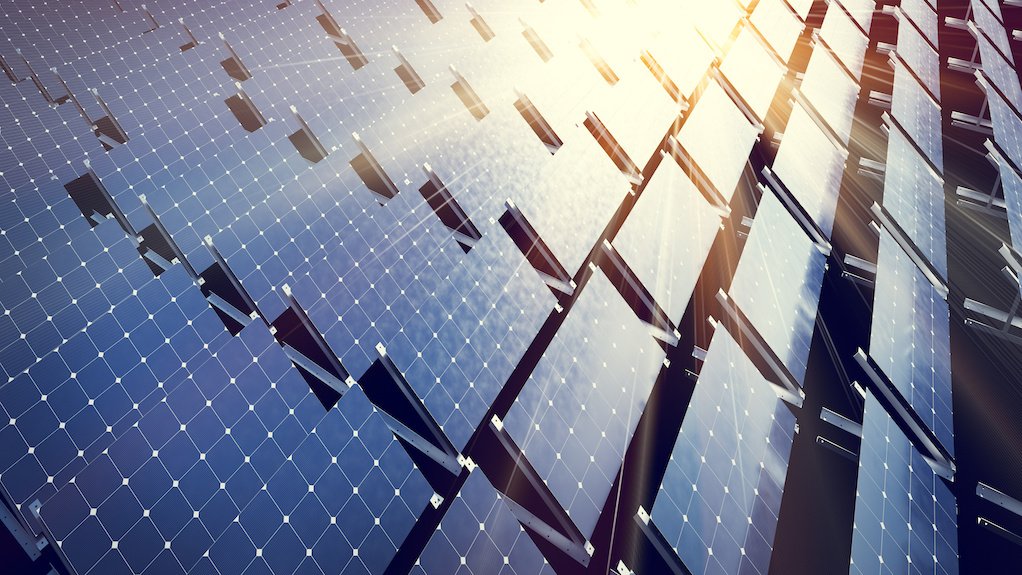
At the Kamoa Copper mine near Kolwezi, 357,000 solar panels have been installed across an area equivalent to about 230 football pitches.
The solar facility, developed by CrossBoundary Energy, began commercial operations on August 12 and combines a 233-megawatt solar array with 526 megawatt-hours of battery storage.
The system is designed to provide at least 30 megawatts of baseload power, allowing the mine to maintain operations even when solar generation fluctuates.
But while mining companies are increasingly turning to solar, the bigger challenge for the DRC remains extending electricity access to ordinary households and communities.
Only about 21.5 percent of the country’s population had access to electricity in 2024, with electricity connections particularly limited outside major cities and the mining belt.
Experts say large-scale hydropower projects, including the proposed expansion of the Inga complex, could eventually transform electricity generation in the country. However, such projects face significant financing, environmental and social challenges and could take years to complete.
Industry players are also exploring alternatives to traditional mini-grids. One model involves renting portable batteries that can be recharged at solar-powered hubs, potentially making electricity services more accessible to low-income communities.
With around 80 million people still without electricity and the population continuing to grow, the DRC faces a huge energy-access challenge.
The rapid expansion of solar power is offering a potential solution not only for the country’s mining industry, but also for businesses, towns and remote communities that remain beyond the reach of the national grid.
The key challenge now is ensuring that the growth of solar power benefits more than the mining sector and contributes meaningfully to broader electricity access across the Democratic Republic of Congo.