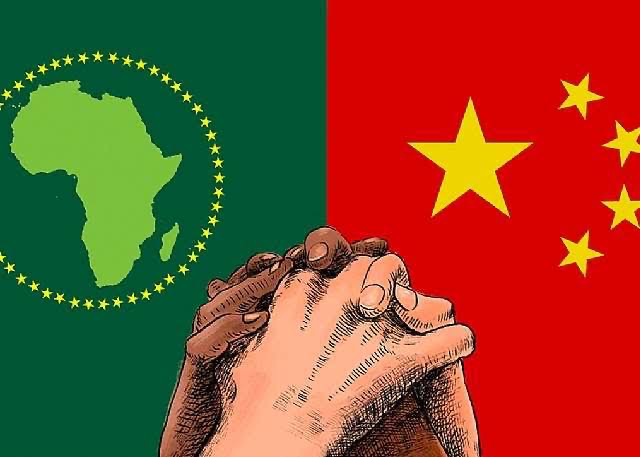

China’s decision to grant zero-tariff treatment to Nigerian products has opened a major new window of opportunity for Nigeria’s exporters.
But as Nigerian goods gain easier access to one of the world’s largest consumer markets, a bigger question is emerging: can Nigeria turn that access into jobs, industrial growth, foreign exchange and sustainable export earnings?
The opportunity is significant.
China’s expanded zero-tariff policy, which took effect on May 1, 2026, provides duty-free treatment across 100 percent of tariff lines for products from 53 African countries with which Beijing maintains diplomatic relations.
For Nigeria, the early trade figures suggest growing momentum.
Nigeria-China trade reached about 18 billion dollars in the first half of 2026, representing a 35 percent increase compared with the corresponding period last year.
Chinese imports from Nigeria also rose by about 80 percent to 2.3 billion dollars during the same period.
The figures point to a clear opportunity for Nigerian businesses.
But access to the Chinese market is only the first step.
The Opportunity Beyond Raw Commodities
Nigeria has significant potential to supply China with agricultural, aquatic and manufactured products.
Products such as sesame, cocoa, cashew, ginger and other agricultural commodities already have demand in international markets, while new arrangements are creating additional opportunities for Nigerian aquatic products.
With a consumer market of more than 1.4 billion people, China represents a potentially lucrative destination for Nigerian producers.
However, Nigeria’s challenge is not simply finding buyers.
It is producing enough goods, consistently and competitively, to meet the demands of that market.
Can Nigerian Businesses Produce at Scale?
Zero tariffs can reduce the cost of entering the Chinese market, but they cannot solve some of the problems facing Nigerian producers.
Exporters still have to contend with high production costs, inadequate processing facilities, unreliable electricity, limited access to finance, logistics challenges, storage gaps and international quality and certification requirements.
For small and medium-sized businesses in particular, meeting these requirements consistently can be difficult.
This raises an important concern: Nigeria could have access to the Chinese market but still lack enough competitive products to fully take advantage of it.
From Exporting Raw Materials to Creating Value
For Nigeria to maximise the opportunity, experts and industry stakeholders say the country must move beyond exporting raw commodities and place greater emphasis on processing and value addition.
Instead of exporting cocoa beans, for example, Nigeria can increase its earnings by developing stronger domestic capacity to process cocoa into products that command higher value.
The same principle applies to cashew, sesame, ginger and other agricultural commodities.
More processing means more factories, more investment, more skilled workers and potentially more jobs.
It also means a greater share of the value generated from Nigerian resources can remain within the Nigerian economy.
Where Government Must Come In
Turning the opportunity into reality will require coordinated action from both government and the private sector.
Government must continue to improve infrastructure, particularly electricity, roads, ports and logistics.
Exporters also need easier access to finance, efficient certification systems and stronger support in understanding the standards required in the Chinese market.
At the same time, Nigerian businesses must improve production quality, packaging, branding and consistency if they are to compete effectively in China.
The goal should therefore not simply be to increase the volume of goods leaving Nigeria.
It should be to increase the value of what Nigeria exports.
The Jobs Question
For millions of Nigerians, the most important measure of the China opportunity will not be the value of bilateral trade.
It will be whether that trade creates jobs.
If increased Chinese demand stimulates investment in Nigerian farms, factories, processing plants, packaging companies, transport services and logistics businesses, the benefits could extend far beyond exporters.
But if Nigeria simply increases exports of unprocessed commodities, the country could record higher export figures without achieving the deeper industrial transformation it needs.
That is why the zero-tariff policy should be viewed as an opportunity to build production capacity at home—not simply as a new route for shipping commodities abroad.
A Window Nigeria Cannot Afford to Waste
China has opened its market wider.
The question now is whether Nigeria is prepared to take full advantage of it.
The zero-tariff arrangement removes one important barrier for Nigerian exporters. But domestic challenges around production, infrastructure, financing, processing and standards remain.
Nigeria now has an opportunity to use stronger access to China as a catalyst for industrialisation and economic diversification.
But that opportunity will require more than diplomatic agreements.
It will require businesses that can produce at scale, policies that reduce production costs and infrastructure capable of supporting competitive exports.
The early trade figures suggest that the Chinese market is responding.
Now, Nigeria must respond.
Because the real opportunity beyond zero tariffs is not simply to export more to China.
It is to produce more in Nigeria—and create Nigerian jobs from the value of Nigerian resources.