
In recent years, the cultural landscapes of Africa have embraced a rich array of foreign traditions, and among the most notable is the growing celebration of Chinese festivals. From the grandeur of Chinese New Year to the moonlit joy of the Mid-Autumn Festival, these holidays are no longer just celebrated by the Chinese diaspora, but are increasingly being welcomed by local African communities. This cross-cultural exchange highlights the deepening ties between Africa and China, while also fostering mutual understanding through shared celebrations.
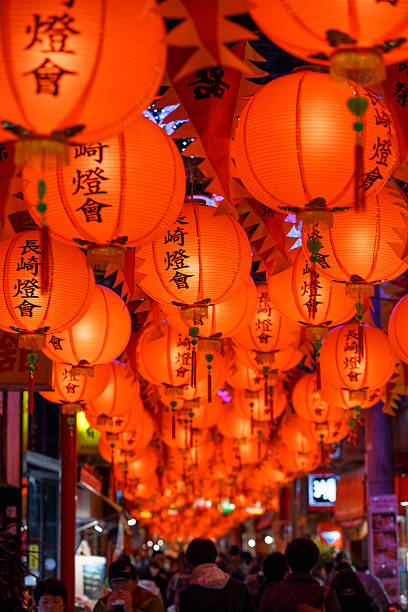
Chinese New Year, traditionally a time for family reunions, fireworks, and feasting on dumplings and rice cakes, has become a spectacle in several African cities. In places like Lagos, Nairobi, and Johannesburg, Chinese New Year festivities now include dragon dances, lantern festivals, and public events that attract both local and Chinese populations. The celebration is an opportunity for African audiences to experience Chinese music, cuisine, and traditional performances, while also celebrating the universal themes of family, prosperity, and renewal.
Similarly, the Mid-Autumn Festival—held annually on the 15th day of the eighth month of the lunar calendar—has made its mark in African countries. In Kenya, for example, the Africa Star Railway Operation Company, alongside the Confucius Institute at the University of Nairobi, organized a vibrant celebration of the festival, featuring traditional Chinese dances, music, and poetry. The festival’s focus on harvest, gratitude, and family resonates deeply with local African cultures that similarly emphasize communal gatherings and thanksgiving after a harvest season. Nelson Asienwa, a cultural liaison at the event, highlighted how these cultural exchanges help Kenyans and Chinese communities better understand each other, strengthening both commercial and diplomatic ties
.
This cultural integration is also evident in Abuja, Nigeria, where the Chinese community marked both the Mid-Autumn Festival and China’s National Day. With performances showcasing Chinese opera, music, and traditional dances, the event drew a wide array of Nigerian attendees. For local Nigerians, it was an eye-opening experience to witness how the Chinese celebrate their cultural heritage, creating a space for both nations to reflect on their historical connections and look toward a future of continued cooperation
.
Through these shared celebrations, African nations are not just observers of Chinese culture; they are active participants. Students from the Confucius Institutes across the continent report learning not only the Chinese language but also the intricacies of its cultural customs. In fact, the Mid-Autumn Festival celebrations at the University of Nairobi serve as a platform for students to engage with Chinese art forms like poetry and zither performances, deepening their understanding of Chinese traditions
.
The growth of Chinese festival celebrations in Africa symbolizes more than just the exchange of cultural practices; it underscores the deepening relationships between two of the world’s most dynamic regions. As African countries and China continue to strengthen their commercial, diplomatic, and cultural ties, these festivals provide an invaluable opportunity for cross-cultural dialogue and mutual appreciation.
In embracing Chinese holidays, Africa is not only celebrating the richness of another culture but is also reinforcing its role as a global player in a connected world.