
Chinese President Xi Jinping has unveiled a comprehensive vision for the future of global artificial intelligence (AI) governance, proposing four key principles to guide the responsible development of the technology while announcing that China will provide 5,000 AI training opportunities for developing countries over the next five years.
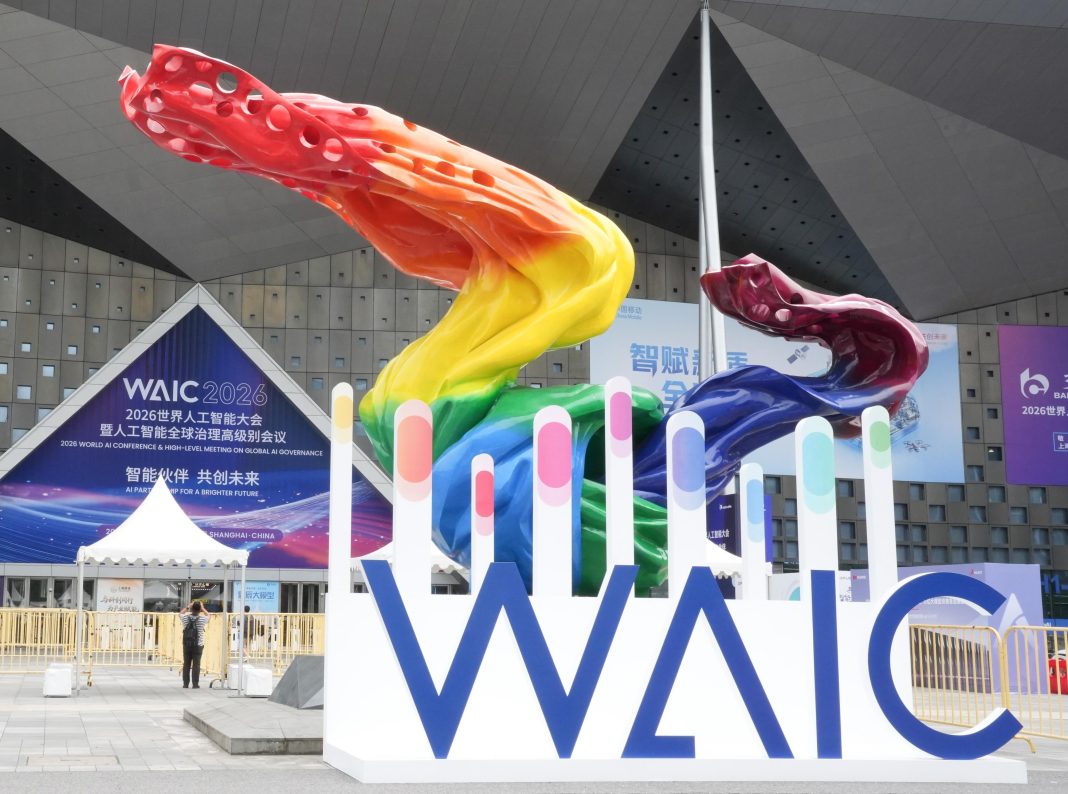
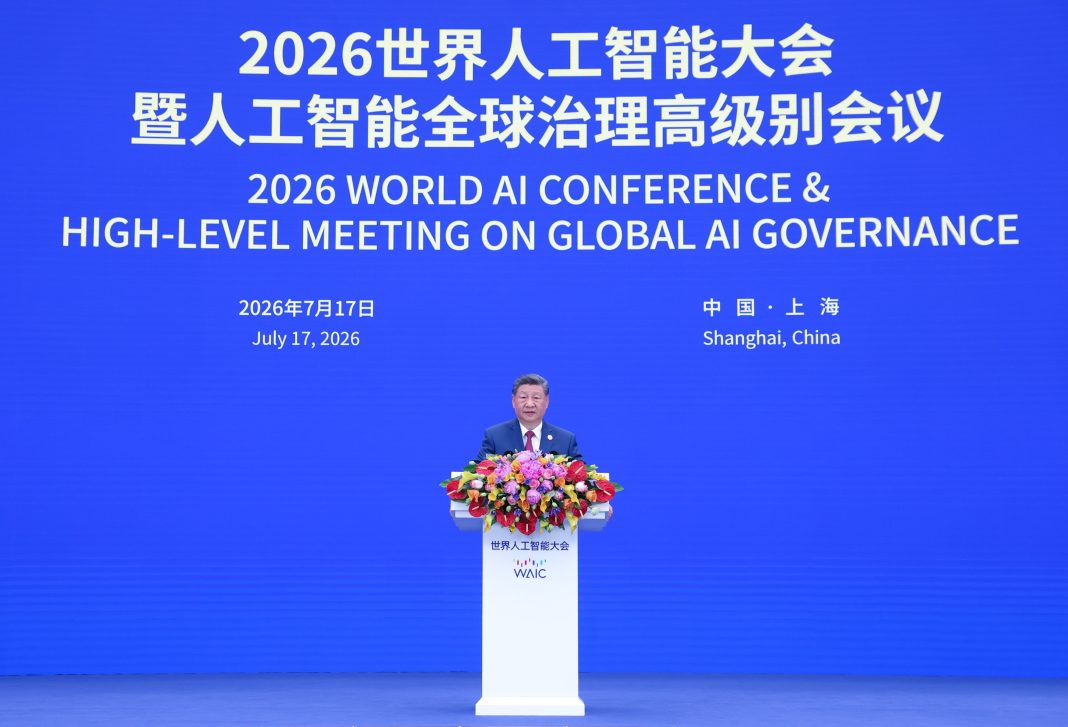
Xi made the announcement while delivering the keynote address at the World Artificial Intelligence Conference (WAIC) 2026 in Shanghai, where he urged the international community to work together to ensure AI becomes a force for shared prosperity rather than division.
Describing AI as one of the defining technologies of the century, Xi said the world is witnessing an unprecedented wave of technological innovation that presents both enormous opportunities and significant governance challenges.
He noted that artificial intelligence is rapidly transforming economies, industries and societies, but warned that issues relating to security, ethics, inequality and governance require urgent international cooperation.
“AI development should not be a solo performance by a single country, but a symphony of international cooperation,” Xi said, calling for collective action to ensure the technology benefits all humanity.
To address the emerging challenges, the Chinese leader outlined four guiding principles for building a fair and effective global AI governance framework.
The first, he said, is openness and win-win cooperation. Xi called for greater collaboration through open-source innovation, technology sharing and coordinated industrial development to ensure that businesses and societies worldwide benefit from AI-driven transformation.
Secondly, he stressed the importance of strengthening AI safety and security through improved laws, regulations, monitoring systems and emergency response mechanisms while opposing what he described as the excessive use of national security concerns to restrict AI development or place one country’s security interests above those of others.
His third proposal focused on inclusiveness and cultural diversity. Xi argued that AI should promote dialogue among civilizations rather than undermine cultural uniqueness, urging countries to shape AI using humanity’s shared values while encouraging understanding and mutual respect.
The fourth principle centred on solidarity and multilateral governance. Xi reaffirmed support for the United Nations’ leading role in establishing international AI governance frameworks and technical standards, while calling for greater assistance to Global South countries to bridge technological disparities.
“We must carry out extensive international cooperation and help Global South countries with capacity building to bridge the AI and digital divides, promote sustainable development and prevent creating new historical injustice in AI,” he said.
To demonstrate China’s commitment to inclusive AI development, Xi announced a series of international cooperation initiatives.
He revealed that China will provide 5,000 AI training and seminar opportunities for developing countries over the next five years to strengthen technical expertise and build local capacity.
In addition, China will establish international AI application cooperation centres with the Association of Southeast Asian Nations (ASEAN), the League of Arab States, the African Union (AU), the Community of Latin American and Caribbean States (CELAC), the Shanghai Cooperation Organisation (SCO) and BRICS.
Xi also announced that China will enable 30 countries to use the AI-powered MAZU Meteorological Warning System, aimed at improving disaster forecasting and protecting lives and property through advanced weather prediction technologies.
The Chinese President highlighted his country’s progress in AI development, noting that the value of China’s core smart economy industries has exceeded one trillion yuan, while AI applications are increasingly improving manufacturing, public services and everyday life.
He said China continues to improve its legal and ethical frameworks to ensure that AI remains safe, secure and aligned with human interests.
Xi also pointed to China’s contributions to international AI governance, including the Global AI Governance Initiative, support for the United Nations General Assembly Resolution on Enhancing International Cooperation on Capacity Building of Artificial Intelligence, and the establishment of the newly created World Artificial Intelligence Cooperation Organization (WAICO) headquartered in Shanghai.
He described WAICO as a major milestone in global AI governance and a response to calls from developing countries for a more inclusive international framework for AI cooperation.
Xi urged governments, researchers and technology companies to work together to ensure artificial intelligence remains a force for peace, development and human progress.