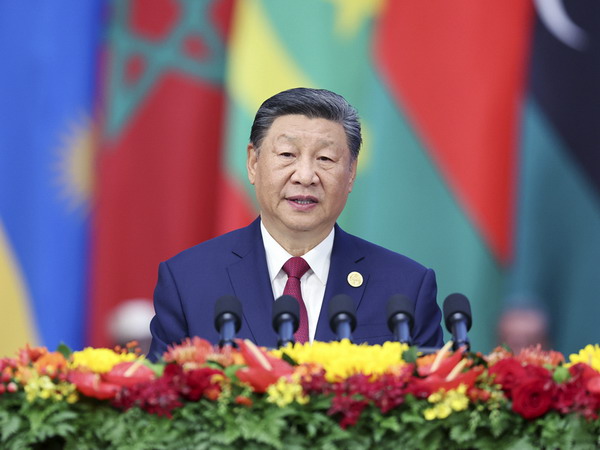

At the 2025 World Artificial Intelligence Conference (WAIC) and High-Level Meeting on Global AI Governance held in Shanghai from July 26-28, China introduced the Global AI Governance Action Plan, a comprehensive framework aimed at fostering international cooperation to ensure artificial intelligence (AI) is developed and governed in a safe, inclusive, and equitable manner.
The announcement, made during Chinese Premier Li Qiang’s opening address, positions China as a leader in multilateral AI governance amid a rapidly evolving global technological landscape.
The action plan, released on July 26, emphasizes global solidarity to harness AI’s potential while addressing its risks.
Describing AI as a “new frontier in human development” and an “international public good,” the plan outlines 13 key initiatives to promote AI for global economic and social progress, align with the United Nations’ 2030 Agenda for Sustainable Development, and ensure safety, fairness, and inclusivity.
Key proposals include accelerating digital infrastructure development, particularly in the Global South, to bridge the AI divide and promote inclusive access to AI technologies.
The plan advocates for building interoperable AI infrastructure, establishing unified computing power standards, and supporting developing countries in creating AI services tailored to their needs. It also calls for creating open-source communities and platforms to foster innovation, reduce technological barriers, and enhance the accessibility of AI resources.
The action plan prioritizes AI’s application across industries such as healthcare, education, agriculture, and autonomous driving, urging cross-border cooperation to share best practices and build a diverse, AI-for-good ecosystem. It also addresses environmental concerns, promoting sustainable AI through energy-efficient technologies and green computing standards, while encouraging AI’s use in tackling climate change and biodiversity challenges.
On governance, the plan supports the establishment of a global AI cooperation organization, tentatively proposed to be headquartered in Shanghai, to coordinate international efforts in regulating AI and sharing technological advancements. It emphasizes the United Nations as the primary channel for global AI governance, endorsing the creation of an Independent International Scientific Panel on AI and a Global Dialogue on AI Governance to facilitate inclusive discussions.
Safety is a central focus, with calls for risk assessments, categorized management approaches, and enhanced data security standards to prevent AI misuse. The plan also promotes dialogue among standard-setting bodies like the International Telecommunication Union (ITU) and the International Organization for Standardization (ISO) to develop transparent and inclusive AI norms that balance technological progress with ethical considerations.
The release of the action plan follows the U.S. announcement of its own AI strategy on July 24, highlighting the intensifying global competition in AI development. While the U.S. plan focuses on expanding American technological influence, China’s proposal emphasizes multilateral cooperation and inclusivity, particularly for developing nations. Premier Li Qiang noted the fragmented state of global AI governance, urging greater coordination to create a unified framework.
The WAIC, attended by over 1,200 officials, industry leaders, and scientists from 30 countries, showcased more than 3,000 AI products, including 40 large language models and 60 intelligent robots. Prominent speakers, including Geoffrey Hinton, known as the “Godfather of AI,” and former Google CEO Eric Schmidt, underscored the need for international collaboration to ensure AI serves humanity’s welfare.