
CHANGSHA, China — When more than 6,000 bottles of South African wine cleared customs at Changsha Huanghua International Airport on May 1, the importer immediately benefited from China’s expanded zero-tariff policy for African goods, saving 21,000 yuan (around $3,069).
Previously subject to a 14 percent tariff, the wine shipment represents one of the first in Hunan Province to gain from China’s broader trade policy, which now applies to all 53 African countries with diplomatic ties. Zhang Xin, chairman of Hunan Express Wisdom Information Technology Co., Ltd., said the policy could reduce his company’s annual costs by an estimated 5 million yuan.
The policy, which builds on an earlier initiative covering least-developed countries, makes China the first major economy to offer unilateral, comprehensive zero-tariff treatment to all African diplomatic partners. For Hunan, one of China’s busiest inland trade hubs with Africa, the measure is expected to lower import costs, boost the flow of raw materials and consumer goods, and potentially enhance re-export opportunities.
Hunan’s imports from Africa have already seen strong growth. From January 2025 to March 2026, imports from five key African suppliers—Kenya, South Africa, Nigeria, Morocco, and Tunisia—accounted for more than 98 percent of tariffs previously collected. Since the introduction of earlier zero-tariff measures in December 2024, Changsha Customs has processed nearly 27 million yuan in tariff reductions.
Lan Shengbin, deputy head of Changsha Customs, said manufacturers previously paying 7–10 percent duties on components from countries such as Tunisia and Morocco would now see reduced production costs, enabling diversification of supply chains. The benefits extend beyond industrial products to sectors such as agriculture and biomedicine.
Hunan is also leveraging the policy to create a broader trade model. Imports are increasingly being processed, redistributed, and even re-exported. In July 2024, 400 fresh roses from Kenya were imported into Changsha and then re-exported to Uzbekistan, marking China’s first re-export of African fresh flowers.
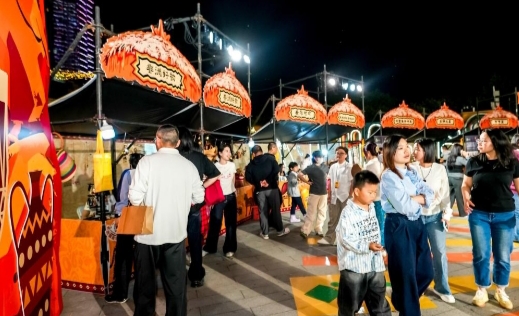
Consumer demand is following suit. During the recent May Day holiday, an African goods market in Changsha attracted roughly 89,000 visitors. Lower import costs allowed prices to drop for products including Ghanaian cocoa chocolate, shea-butter goods from Mali, and Zambian coffee. Hunan Yufei Industry Investment Co., Ltd., which helped organize the market, now offers over 400 products from 13 African countries under its Quality African Products brand.
Local businesses are also capitalizing on the policy. Coffee Z, a Changsha-based chain specializing in African coffee, plans to expand sourcing from Ethiopia and Kenya, while rolling out AI-enabled coffee equipment nationwide. Founder Jing Jianhua noted, “We will use the zero-tariff policy as an opportunity to bring more high-quality, affordable African coffee to consumers across China.”
Hunan authorities are actively supporting this trade push through seven new measures announced in April, targeting expanded African imports, overseas warehouse services, industrial cooperation, and China-Africa Economic and Trade Expo activities in African nations.
The policy represents more than a customs adjustment—it positions Hunan as a key inland gateway for China-Africa trade, with broad implications for supply chains, manufacturing, and consumer markets.