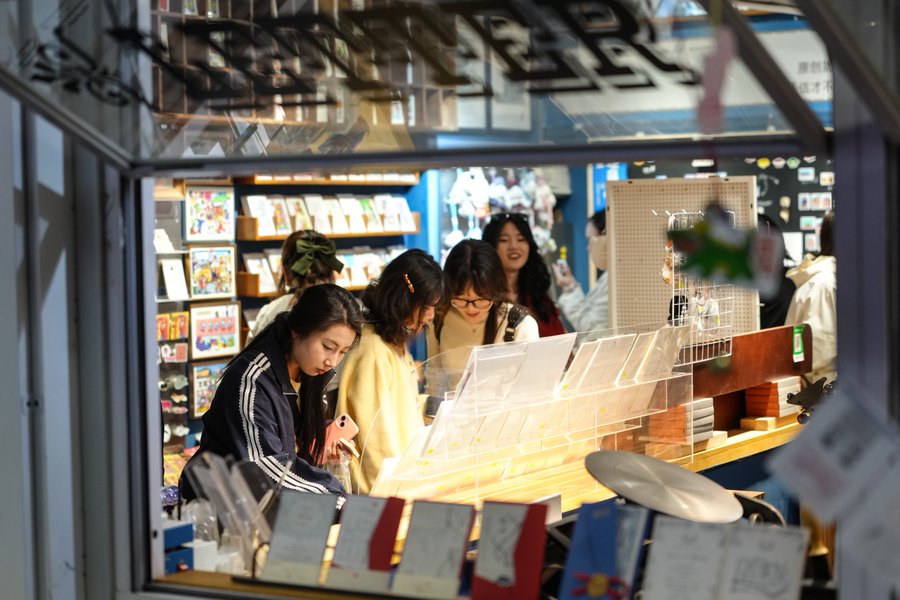

The market boom during China’s eight-day National Day holiday, characterized by a variety of new consumption patterns, underscores the country’s ongoing transition toward a services, consumption and innovation-led growth model — clear evidence of the resilience and potential of the world’s second-largest economy.
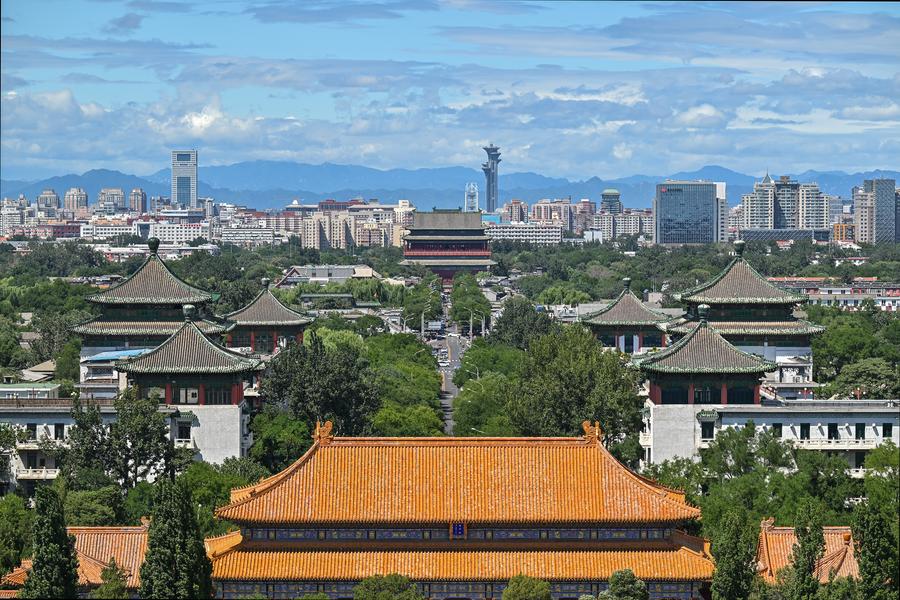
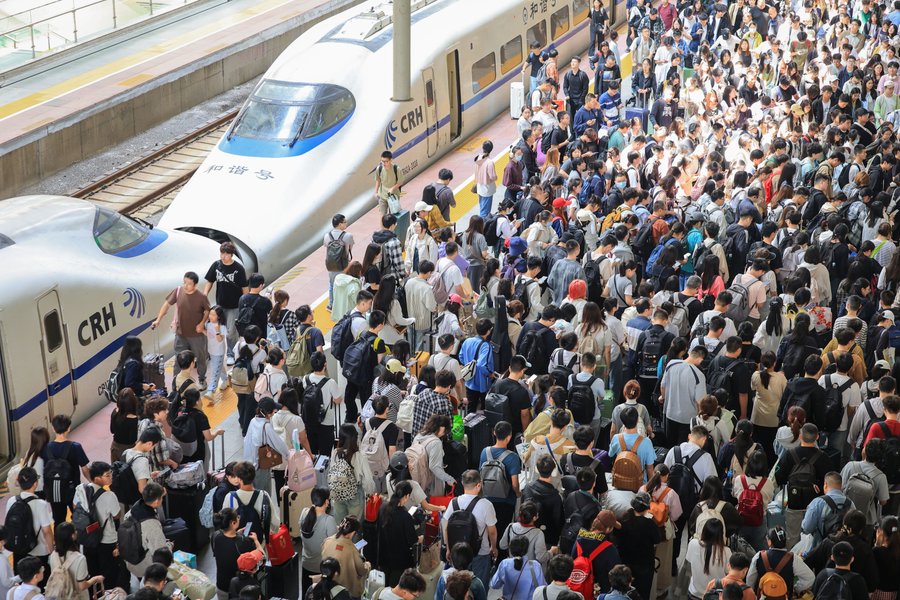
China’s National Day holiday coincided with the Mid-Autumn Festival, lasting from Oct. 1 to 8, with over 12,000 cultural events hosted nationwide and approximately 2.43 billion trips made across the country.
While the impressive figures have captured attention, a new consumption trend is gaining steam: holiday’s spending extends beyond a shopping spree — it offers vital opportunities for enriching personal experiences and pursuing self-fulfillment.
As household incomes rise and consumer demand diversifies, tourism in China has evolved from mere sightseeing to deep cultural immersion. There is now a growing enthusiasm for “Guochao” or “China-chic” cultural experiences, and this holiday season has seen a raft of intangible cultural heritage programs and immersive museum exhibits catering to this demand. Travel is increasingly about feeling, learning and gaining an understanding of the country’s culture and history, and about fostering broader cultural understanding and enriching people’s horizons.
The emergence of this new trend is backed by figures released by the Ministry of Commerce. Upgraded services consumption, including cultural entertainment and tourism services, is gradually becoming China’s consumption engine. In 2024, per capita spending on education and cultural entertainment among Chinese residents rose 9.8 percent year on year.
Meanwhile, village tours are becoming increasingly popular as they allow travelers to experience the simplicity and tranquility of rustic life. Scenic areas in smaller cities are also gaining appeal.
Experience-oriented spending driven by sports events is emerging as a new consumption highlight. The China Open tennis tournament in Beijing drew enthusiastic crowds, while local football tournaments and the village basketball competition have continued to boost local ticket-based tourism. And more people are opting to spend their vacation time in the gym, working on their fitness through activities like running, cycling and swimming.
Travel and tourism are becoming increasingly smart and tech-savvy, which has given the new consumption trend a powerful boost. With AI technology rapidly integrating into the industry, tourists can book tickets or get travel advice within minutes. Through technologies like virtual reality (VR), augmented reality (AR) and 3D tech, visitors to museums, galleries and other tourist hotspots can “talk” with historical figures, interact with cultural relics, and step into ancient paintings as they come to life.
A low-altitude shuttle service was launched in east China’s Zhejiang Province during the holiday, allowing holidaymakers to take helicopter rides and enjoy stunning views of autumn landscapes. Meanwhile, in shopping centers, AI-powered home appliances topped the purchase list for trend-conscious consumers.
These trends clearly demonstrate the strength and potential of China’s economy. They reflect the ongoing consumption upgrading in China, which is particularly underpinned by the public’s accelerating pursuit of happiness and personal fulfillment.
Against a backdrop of a complex external environment, China’s economy remains the primary engine of global growth, thanks to its structural reforms aimed at building an economy increasingly led by consumption and innovation. In this context, boosting domestic demand and driving productivity through innovation are crucial to sustaining this momentum.
According to official data, in the first half of 2025, the country’s total retail sales of consumer goods grew 5 percent year on year, with services consumption rising even faster at 5.3 percent. Given China’s massive domestic market scale, vast potential and opportunities remain untapped. Looking forward, it is evident why demand for cultural, entertainment, tourism and leisure experiences is expected to continue expanding.